
Edge Master Classes, Seminars, and Events
The Possible Minds Project
With Ian McEwan, Rodney Brooks, Stephen Wolfram, Freeman Dyson, Caroline Jones, Robert Axelrod, Alison Gopnik, Tom Griffiths, Frank Wilczek, Neil Gershenfeld, David Chalmers, George Dyson, Peter Galison, Seth Lloyd, W. Daniel Hillis
Winvian Farms, Morris, CT, September 8-9, 2018
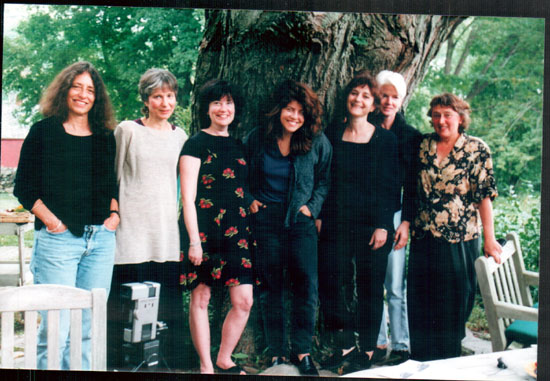
For an update from the field, and to set the stage for a wider discussion, in September 2018 I convened the Possible Minds Conference at Winvian Farms in Morris, CT.
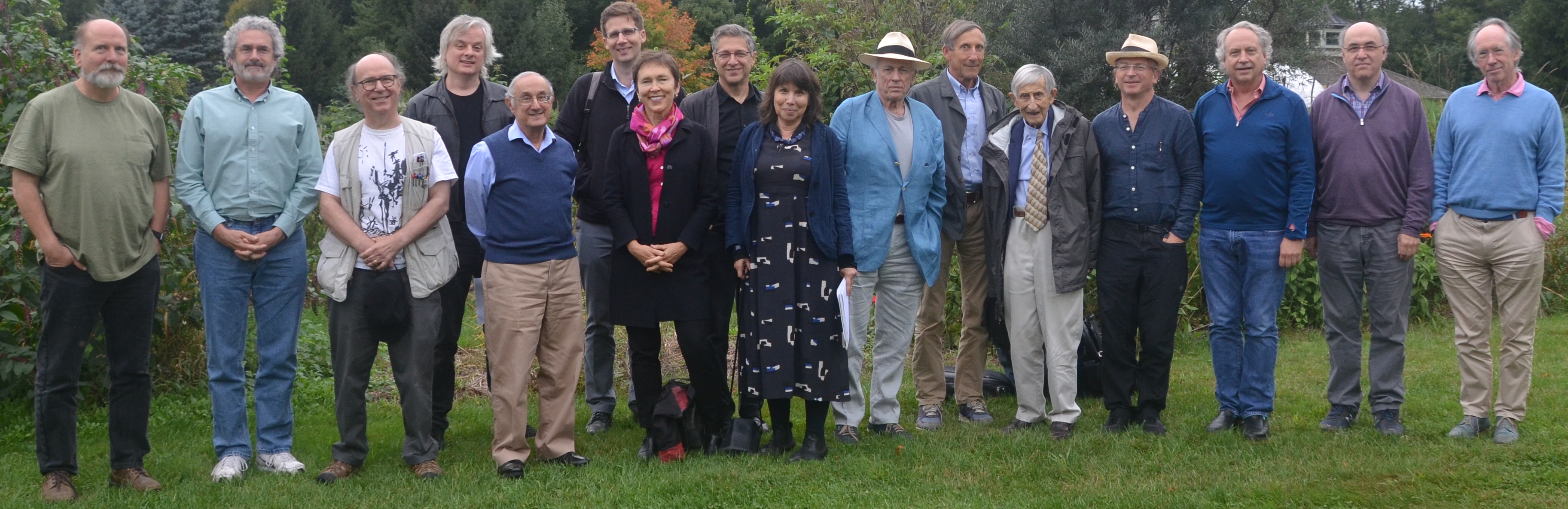
From left: W. Daniel Hillis, Neil Gershenfeld, Frank Wilczek, David Chalmers, Robert Axelrod, Tom Griffiths, Caroline Jones, Peter Galison, Alison Gopnik, John Brockman, George Dyson, Freeman Dyson, Seth Lloyd, Rod Brooks, Stephen Wolfram, Ian McEwan. Project participants in absentia: George M. Church, Daniel Kahneman, Alex "Sandy" Pentland, Venki Ramakrishnan, Andy Clark. (Click to expand photo)
THE TALKS
Sept. 8th: Ian McEwan, Rodney Brooks, Stephen Wolfram, Freeman Dyson, Caroline Jones, Robert Axelrod, Alison Gopnik, Tom Griffiths, Frank Wilczek, Neil Gershenfeld
Sept. 9th: David Chalmers, George Dyson, Peter Galison, Seth Lloyd, W. Daniel Hillis
A Short Course in Superforecasting
With Philip Tetlock
Spring Mountain Vineyard, St. Helena, Napa, CA, July 2015
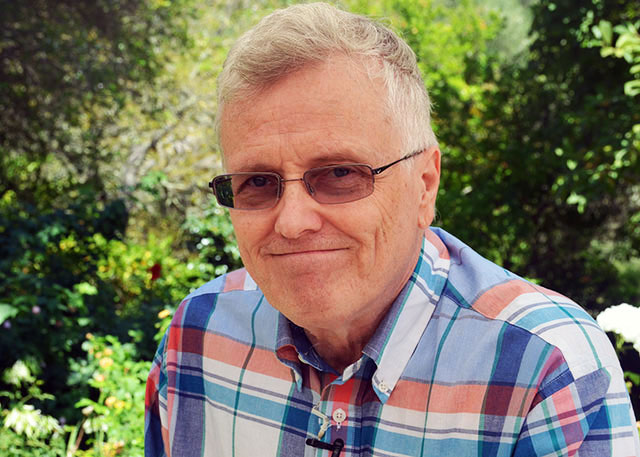
This year, the psychologist and social scientist Philip E. Tetlock presented the findings based on his work on forecasting as part of the Good Judgment Project. In 1984, Tetlock began holding "forecasting tournaments" in which selected candidates were asked questions about the course of events: In the wake of a natural disaster, what policies will be changed in the United States? When will North Korea test nuclear weapons? Candidates examine the questions in teams. They are not necessarily experts, but attentive, shrewd citizens.
Steven Pinker, who has written about Tetlock's work on superforecasting, noted that "Tetlock is one of the very, very best minds in the social sciences today. He has come up with one brilliant idea after another, and superforecasting is no exception. Everyone agrees that the way to know if an idea is right is to see whether it accurately predicts the future. But which ideas, which methods, which people have an actual, provable track record of non-obvious predictions vindicated by the course of events? The answers will surprise you, and have radical implications for politics, policy, journalism, education, and even epistemology—how we can best gain knowledge about the world we live in."
Among Tetlock's "students" at the Edge weekend were many intellectual heavyweights including political scientist and National Medal of Science winner Robert Axelrod; psychologist, Nobel laureate, and recipient of the 2013 Presidential Medal of Freedom Daniel Kahneman; the political scientist and director of Stanford’s CASBS Margaret Levi; Google senior vice president Salar Kamangar; psychologist and National Medal of Science winner Anne Treisman; roboticist Rodney Brooks, former head of MIT's Computer Science Lab; W. Daniel Hillis, pioneer in massively parallel computation; medical inventor Dean Kamen; and Peter Lee, corporate vice president, Microsoft Research, overseeing MSR NExT.
Over the weekend in Napa, Tetlock held five classes, which are being presented by Edge in their entirety (8.5 hours of video and audio) along with accompanying transcripts (61,000 words).
PHILIP E. TETLOCK, political and social scientist, is the Annenberg University Professor at the University of Pennsylvania, with appointments in Wharton, psychology and political science. He is a co-leader of the Good Judgment Project, a multi-year forecasting study, the author of Expert Political Judgment and (with Aaron Belkin) Counterfactual Thought Experiments in World Politics, and co-author (with Dan Gardner) of Superforecasting: The Art & Science of Prediction.
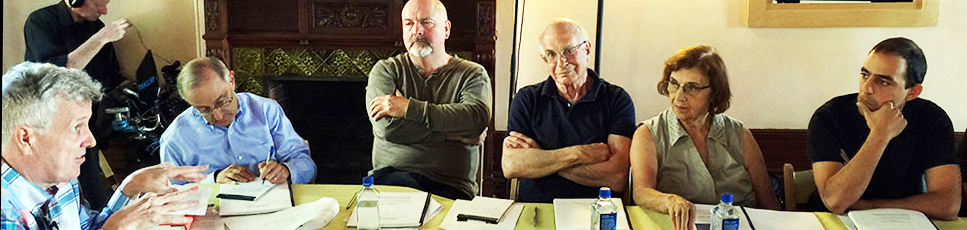
Photo by John Brockman
ATTENDEES: Robert Axelrod, political scientist; Walgreen Professor for the Study of Human Understanding, U. Michigan; author, The Evolution of Cooperation; Member, National Academy of Sciences; recipient, the National Medal of Science; Stewart Brand, founder, The Whole Earth Catalog; co-founder, The Well; co-founder, The Long Now Foundation; author, Whole Earth Discipline; John Brockman, editor, Edge; author, The Third Culture; Rodney Brooks, Panasonic Professor of Robotics (emeritus), MIT; founder, Chmn/CTO, Rethink Robotics; author, Flesh and Machines; Brian Christian, philosopher, computer scientist, poet; author, The Most Human Human; Wael Ghonim, pro-democracy leader of the Tarir Square demonstrations in Egypt; Anonymous administrator of the Facebook page, "We are all Khaled Saeed"; W. Daniel Hillis, Physicist; Computer Scientist; chairman, Applied Minds; author, The Pattern on the Stone; Jennifer Jacquet, assistant professor of Environmental Studies, NYU; author, Is Shame Necessary?; Daniel Kahneman, professor emeritus of psychology, Princeton; author, Thinking, Fast and Slow; winner of the 2013 Presidential Medal of Freedom; recipient of the 2002 Nobel Prize in Economic Sciences; Salar Kamangar, senior vice president, Google; fmr head of YouTube; Dean Kamen, inventor and entrepreneur, DEKA Research; Andrian Kreye, Feuilleton editor, Sueddeutsche Zeitung, Munich; Peter Lee, corp. vp, Microsoft Research; former founder / director, DARPA's technology office; former head, Carnegie Mellon Computer Science Department & CMU's Vice Provost for Research; Margaret Levi, Political Scientist, Director, Center For Advanced Study in Behavioral Sciences (CASBS), Stanford University; Barbara Mellers, psychologist; George Heyman University Professor at UPennsylvania; past president, Society of Judgment and Decision Making; Ludwig Siegele, technology editor, The Economist; Rory Sutherland, executive creative director and vice-chairman, OgilvyOne London; vice-chairman, Ogilvy & Mather UK; columnist, The Spectator; Anne Treisman, James S. McDonnell Distinguished University Professor Emeritus of Psychology at Princeton; recipient, National Medal of Science; D.A.Wallach, recording artist; songwriter; artist in residence, Spotify; hi-tech investor
HeadCon '14: What's New in Social Science?
With Sarah-Jayne Blakemore, Molly Crockett, Jennifer Jacquet, Michael McCullough, Hugo Mercier, L.A. Paul, David Rand, Lawrence Ian Reed, Simone Schnall. Also participating: Fiery Cushman, Joshua Knobe, David Pizarro, Laurie Santos
Eastover Farm, Bethlehem, CT, September 2014
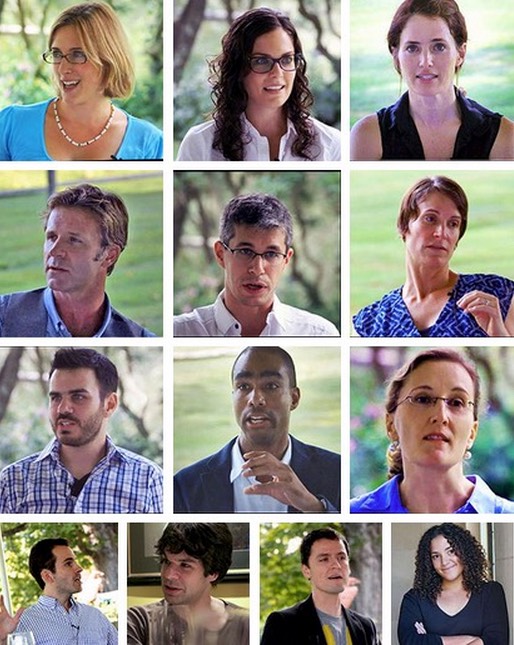
In September, a group of social scientists gathered for HEADCON '14, an Edge conference at Eastover Farm. Speakers addressed a range of topics concerning the social (or moral, or emotional) brain.
PARTICIPANTS: SARAH-JAYNE BLAKEMORE is a Royal Society university research fellow and professor of cognitive neuroscience, Institute of Cognitive Neuroscience, University College London; LAWRENCE IAN REED is a visiting assistant professor of psychology, Skidmore College; MOLLY CROCKETT is associate professor, Department of Experimental Psychology, University of Oxford; Wellcome Trust Postdoctoral Fellow, Wellcome Trust Centre for Neuroimaging; HUGO MERCIER, a cognitive scientist, is an Ambizione Fellow at the Cognitive Science Center, University of Neuchâtel; JENNIFER JACQUET is an assistant professor of Environmental Studies, NYU; author, Is Shame Necessary?; SIMONE SCHNALL is a university senior lecturer and director of the Cambridge Embodied Cognition and Emotion Laboratory at Cambridge University; DAVID RAND is an assistant professor of psychology, economics, and management at Yale University, and the director of Yale University's Human Cooperation Laboratory; L.A. PAUL is a professor of philosophy at the University of North Carolina at Chapel Hill, and professorial fellow in the Arché Research Centre, University of St. Andrews; MICHAEL MCCULLOUGH is director, of the Evolution and Human Behavior Laboratory, professor of psychology, Cooper Fellow, University of Miami; author, Beyond Revenge
KIBITZERS: FIERY CUSHMAN is an assistant professor in the Department of Psychology at Harvard University; JOSHUA KNOBE is an experimental philosopher and associate professor of philosophy and cognitive science at Yale University; DAVID PIZARRO is associate professor of psychology at Cornell University, specializing in moral judgment. LAURIE SANTOS is associate professor in the Department of Psychology and director of the Comparative Cognition Laboratory at Yale University
Extinction Marathon: Visions of the Future
With Stewart Brand, Richard Prum, Molly Crockett, Helena Cronin, Jennifer Jacquet, Steve Jones, Chiara Marletto
Serpentine Sackler Gallery's Extension, London, October 18, 2014

Does the prospect of "de-extinction" change how we think about extinction? Conservation science is shifting from being species-centric to function-centric, focussing on the overall health of ecosystems. Does the extinction of a species leave a "gap in nature" that can only be filled by returning the species to life and to the wild? Or will a functionally close relative serve? Is a de-extincted species really nothing more than a functionally close relative anyway? If it is too difficult and expensive to revive every extinct species, what are the criteria for deciding which ones to work on? Humans are the ones deciding. What ethics and aesthetics should guide those decisions?
Part I: "DE-EXTINCTION": STEWART BRAND & RICHARD PRUM
With Hans Ulrich Obrist and John Brockman

[Continue to Part I—Video & Text]
Part II: "EDGIES ON EXTINCTION"
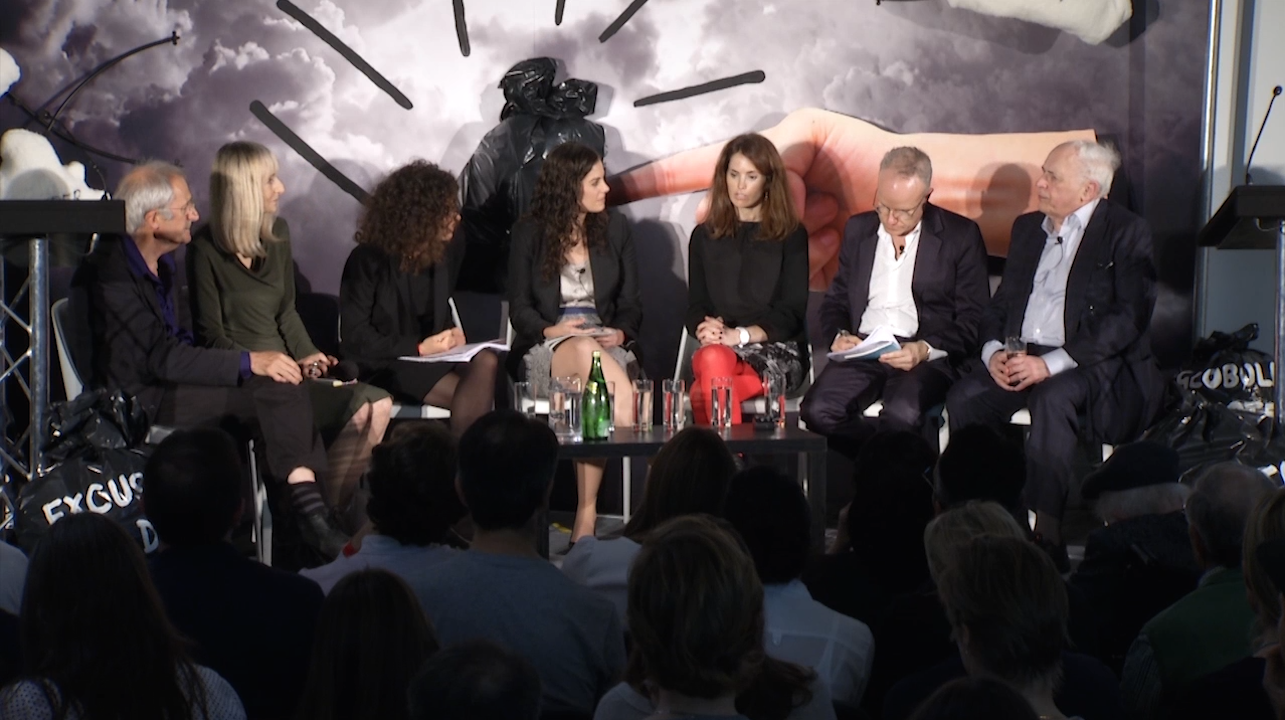
Molly Crockett introduces and moderates an event of four 10-minute talks by Helena Cronin, Jennifer Jacquet, Steve Jones, and Chiara Marletto, followed by a discussion joined by Hans Ulrich Obrist and John Brockman.
[Continue to Part II — Video & Text]
HeadCon '13: What's New in Social Science?
With Sendhil Mullainathan, June Gruber, Fiery Cushman, Rob Kurzban, Nicholas Christakis, Joshua D. Greene, Laurie Santos, Joshua Knobe, David Pizarro, Daniel C. Dennett. Also participating: Jennifer Jacquet, Daniel Kahneman, Anne Treisman
Eastover Farm, Bethlehem, CT, July 2013

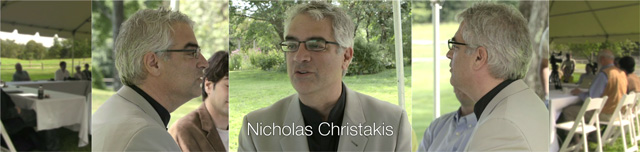
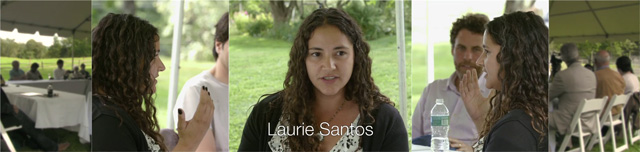
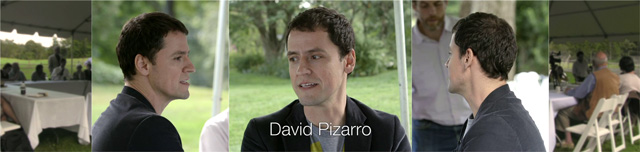
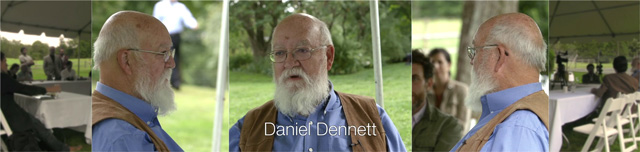
In July 2013, Edge invited a group of social scientists to participate in an Edge seminar at Eastover Farm focusing on the state of the art of what the social sciences have to tell us about human nature. We asked the participants to consider the following questions: "What's new in your field of social science in the last year or two, and why should we care? Why do we want or need to know about it? How does it change our view of human nature?" And in so doing we also asked them to focus broadly and address the major developments in their field (including but not limited to their own research agenda). The goal: to get new, fresh, and original field reports on different areas of social science.
PARTICIPANTS: SENDHIL MULLAINATHAN is a professor of economics at Harvard; assistant director for research with the Consumer Financial Protection Bureau (CFPB), U.S. Treasury Department (2011-2013); and co-author of Scarcity: Why Having Too Little Means So Much. JUNE GRUBER is an assistant professor of psychology and director of the Positive Emotion & Psychopatology Lab at Yale University. FIERY CUSHMAN is an assistant professor of cognitive, linguistic, and social science at Brown University. ROB KURZBAN is an associate professor of psychology at the University of Pennsylvania and author of Why Everyone (Else) Is A Hypocrite. NICHOLAS CHRISTAKIS is a physician and social scientist; director of The Human Nature Lab at Yale University; and coauthor of Connected: The Surprising Power Of Our Social Networks And How They Shape Our Lives. JOSHUA GREENE is the John and Ruth Hazel Associate Professor of the Social Sciences, director of the Moral Cognition Laboratory in the Department of Psychology at Harvard University, and author of Moral Tribes: Emotion, Reason, And The Gap Between Us And Them. LAURIE SANTOS is an associate professor in the Department of Psychology at Yale University and director of the Comparative Cognition Laboratory. JOSHUA KNOBE is an experimental philosopher and associate professor of philosophy and cognitive science at Yale University. DAVID PIZARRO is an associate professor of psychology at Cornell University, specializing in moral judgement. Philosopher DANIEL C. DENNETT is the Austin B. Fletcher Professor of Philosophy and Codirector of the Center for Cognitive Studies at Tufts University, and author of Intuition Pumps
Turin: Biology at the Speed of Life
Ristorante Del Cambio, Torino, Italy, July 10, 2012
Edge Dinner in Torino
Ginevra Elkann & Carlo Antonelli
hanno il piacere di invitarla all'
Edge dinner
in onore di John Brockman, Craig Venter e Brian Eno
martedì 10 luglio
ore 19.30 aperitivo
ore 20.30 cena
Ristorante Del Cambio – Piazza Carignano, 2 – Torino

DINNER HOSTS: Ginevra Elkann, film producer, Asmara Films; president, Pinacoteca Giovanni e Marella Agnelli and Carlo Antonelli, editor-in-chief, Wired Magazine, Italy
ATTENDEES: Massimo Banzi, co-founder, Arduino Project; Gabriele Beccaria, editor, Tutto Scienza, science supplement of La Stampa; Tommaso Bertani, DJ; Vittorio Bo, director, Genoa Science Festival; Codice Publishing; John Brockman, publisher & editor, Edge.org; CEO, Brockman, Inc.; author; Mario Calabresi, Italian journalist and author; director, La Stampa; Andrea Cane, publishing director, Trade Division, De Agostini Editore; Max Casacci, guitarist, producer; Franca De D'Agostini, philosopher, University of Turin & University of Milan; Alain Elkann, novelist, journalist; president, Egyptian Museum of Turin; director of Cultural Programs, Italian Television; Brian Eno, artist; composer; recording producer: U2, Coldplay, Talking Heads, Paul Simon; recording artist; Lara Favaretto, artist; Marco Gilli, director Politecnico di Torino; professor, Department of Electronics and Telecommunication; Jennifer Jacquet, researcher, NYU, studying the effect of honor and shame on cooperation; Heather Kowalski, communications consultant, J. Craig Venter Institute; Arto Lindsay, pop musician, audio provocateur, producer; Katinka Matson, artist; literary agent; president, Brockman, Inc.; co-founder, Edge.org; Marzia Migliora, artist; Martina Mondadori, publisher, Tar magazine; non-executive member, Board of Directors, Momdadori; Franco Noero, Galleria Franco Noero; Marcella Pralormo, director, Pinacoteca Agnelli; Gaetano Prisciantelli, journalist, Il Venerdi La Rebbublica; Patrizia Sandretto Re Rebaudengo, director, Fondazione Sandretto Re Rebaudengo; Tadjbakhsh Shahriar, COO, EXOR; former director, Goldman Sachs, Paris; Gianluigi Ricuperati, writer and essayist, La Repubblica; Scarlett Rouge, artist; J Craig Venter, genomics researcher; Synthetic Genomics, Inc.; J. Craig Venter Institute; author, A Life Decoded
 |
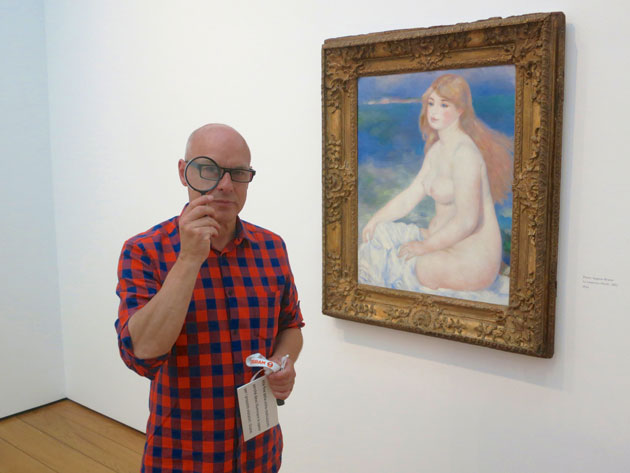 |
| Pinacoteca Giovanni e Marella Agnelli | Brian Eno |
 |
 |
| Jennifer Jacquet & Ginevra Elkann | J. Craig Venter & Ginevra Elkann |
Information Gardens
With Mark Pagel, Jennifer Jacquet, Brian Eno
Kensington Gardens, London, October 16, 2011
On Sunday, October 16th, Edge, at the invitation of London's leading curator and co-director of the Serpentine Gallery (and long-time Edge collaborator), Hans Ulrich Obrist participated in The Serpentine Gallery Garden Marathon, the sixth in the Gallery’s acclaimed Marathon series. The Garden Marathon explored the concept of the garden.

As Obrist noted:
"A product of the creative encounter between the man-made and the natural, between order and disorder, the garden can offer productive metaphors for the interactions between human life and time, care, thought or space.
"The event is directly inspired by the Serpentine Gallery Pavilion 2011, designed by Peter Zumthor. The encounter of architecture and garden creates a contemplative space that is both set within—and meditatively separated from—the wider surroundings of Kensington Gardens.
"Participations will range from the fields of horticulture, design and architecture to explore the creation of gardens and their spatial, urban and scientific importance, through to works by artists and readings by poets and writers exploring the significance of the garden in our experience of the world."
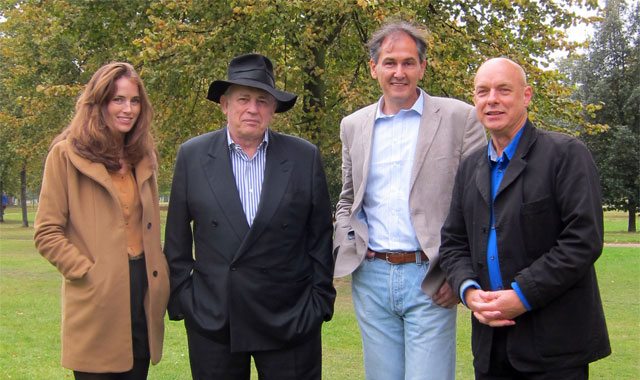
From left: Jennifer Jacquet, John Brockman, Mark Pagel, Brian Eno
The Science of Human Nature
With Daniel Kahneman, Martin Nowak, Steven Pinker, Leda Cosmides, Michael Gazzaniga, Elaine Pagels
Spring Mountain Vineyard, St. Helena, Napa, CA, July 15-17, 2011

In July 2011, Edge held its annual master class in Napa, California, on the theme of "The Science of Human Nature," with Princeton psychologist Daniel Kahneman on the marvels and the flaws of intuitive thinking; Harvard mathematical biologist Martin Nowak on the evolution of cooperation; Harvard psychologist Steven Pinker on the history of violence; UC-Santa Barbara evolutionary psychologist Leda Cosmides on the architecture of motivation; UC-Santa Barbara neuroscientist Michael Gazzaniga on neuroscience and the law; and Princeton religious historian Elaine Pagels on The Book of Revelation.
 |
 |
| Steven Pinker, Daniel Kahneman | Sean Parker, Jennie Ripps, Max Brockman |
 |
 |
| Anne Treisman, Steven Pinker, Leda Cosmides, John Tooby, Elaine Pagels | Martin Nowak class |
The New Science of Morality
With Roy Baumeister, Paul Bloom, Joshua D. Greene, Jonathan Haidt, Sam Harris, Joshua Knobe, Elizabeth Phelps, David Pizarro
Mayflower Inn, Washington, CT, and Eastover Farm, Bethlehem, CT, July 20-22, 2010

Scientists engaged in the scientific study of human nature are gaining sway over the scientists and others in disciplines that rely on studying social actions and human cultures independent from their biological foundation.
No where is this more apparent than in the field of moral psychology. Using babies, psychopaths, chimpanzees, fMRI scanners, web surveys, agent-based modeling, and ultimatum games, moral psychology has become a major convergence zone for research in the behavioral sciences.
So what do we have to say? Are we moving toward consensus on some points? What are the most pressing questions for the next five years? And what do we have to offer a world in which so many global and national crises are caused or exacerbated by moral failures and moral conflicts? It seems like everyone is studying morality these days, reaching findings that complement each other more often than they clash.
Culture is humankind’s biological strategy, according to Roy F. Baumeister, and so human nature was shaped by an evolutionary process that selected in favor of traits conducive to this new, advanced kind of social life (culture). To him, therefore, studies of brain processes will augment rather than replace other approaches to studying human behavior, and he fears that the widespread neglect of the interpersonal dimension will compromise our understanding of human nature. Morality is ultimately a system of rules that enables groups of people to live together in reasonable harmony. Among other things, culture seeks to replace aggression with morals and laws as the primary means to solve the conflicts that inevitably arise in social life. Baumeister’s work has explored such morally relevant topics as evil, self-control, choice, and free will. [More]
According to Yale psychologist Paul Bloom, humans are born with a hard-wired morality. A deep sense of good and evil is bred in the bone. His research shows that babies and toddlers can judge the goodness and badness of others' actions; they want to reward the good and punish the bad; they act to help those in distress; they feel guilt, shame, pride, and righteous anger. [More]
Harvard cognitive neuroscientist and philosopher Joshua D. Greene sees our biggest social problems — war, terrorism, the destruction of the environment, etc. — arising from our unwitting tendency to apply paleolithic moral thinking (also known as "common sense") to the complex problems of modern life. Our brains trick us into thinking that we have Moral Truth on our side when in fact we don't, and blind us to important truths that our brains were not designed to appreciate. [More]
University of Virginia psychologist Jonathan Haidt's research indicates that morality is a social construction which has evolved out of raw materials provided by five (or more) innate "psychological" foundations: Harm, Fairness, Ingroup, Authority, and Purity. Highly educated liberals generally rely upon and endorse only the first two foundations, whereas people who are more conservative, more religious, or of lower social class usually rely upon and endorse all five foundations. [More]
The failure of science to address questions of meaning, morality, and values, notes neuroscientist Sam Harris, has become the primary justification for religious faith. In doubting our ability to address questions of meaning and morality through rational argument and scientific inquiry, we offer a mandate to religious dogmatism, superstition, and sectarian conflict. The greater the doubt, the greater the impetus to nurture divisive delusions. [More]
A lot of Yale experimental philosopher Joshua Knobe's recent research has been concerned with the impact of people's moral judgments on their intuitions about questions that might initially appear to be entirely independent of morality (questions about intention, causation, etc.). It has often been suggested that people's basic approach to thinking about such questions is best understood as being something like a scientific theory. He has offered a somewhat different view, according to which people's ordinary way of understanding the world is actually infused through and through with moral considerations. He is arguably most widely known for what has come to be called "the Knobe effect" or the "Side-Effect Effect." [More]
NYU psychologist Elizabeth Phelps investigates the brain activity underlying memory and emotion. Much of Phelps' research has focused on the phenomenon of "learned fear," a tendency of animals to fear situations associated with frightening events. Her primary focus has been to understand how human learning and memory are changed by emotion and to investigate the neural systems mediating their interactions. A recent study published in Nature by Phelps and her colleagues, shows how fearful memories can be wiped out for at least a year using a drug-free technique that exploits the way that human brains store and recall memories. [More]
Disgust has been keeping Cornell psychologist David Pizarro particularly busy, as it has been implicated by many as an emotion that plays a large role in many moral judgments. His lab results have shown that an increased tendency to experience disgust (as measured using the Disgust Sensitivity Scale, developed by Jon Haidt and colleagues), is related to political orientation. [More]
PRESS ATTENDEES: Sharon Begley, Newsweek; Drake Bennett, Ideas, Boston Globe; David Brooks, OpEd Columnist, New York Times; Daniel Engber, Slate; Amanda Gefter, Opinion Editor, New Scientist; Jordan Mejias, Frankfurter Allgemeine Zeitung; Gary Stix, Scientific American; Pamela Weintraub, Discover Magazine
Informavore
With Frank Schirrmacher, Andrian Kreye, David Gelernter
Munich, January 24-26, 2010

Edge was in Munich for DLD 2010 and an Edge/DLD event. The event, entitled "Informavore," is a discussion featuring Frank Schirrmacher, editor of the Feuilleton and co-publisher of Frankfurter Allgemeine Zeitung; Andrian Kreye, Feuilleton editor of Sueddeutsche Zeitung, Munich; and Yale computer science visionary David Gelernter, who, in his 1991 book Mirror Worlds presented what's now called "cloud computing."
Gelernter's June 2000 manifesto, published by both Edge and Frankfurter Allgemeine Zeitung, was at the time widely read and debated. In it, he famously wrote: "Everything is up for grabs. Everything will change. There is a magnificent sweep of intellectual landscape right in front of us."
 |
 |
| David Gelernter | Andrian Kreye |
 |
 |
| Frank Schirrmacher | John Brockman |
"Cancering"
With W. Daniel Hillis
Spring Mountain Vineyard, St. Helena, Napa, CA, 2010

The leaders of the National Cancer Institute are very keenly aware of how little progress has actually been made in the treatment of cancer. This is something they pay a lot of attention to. They're thinking very laterally in giving funding to people like me to work on cancer.
"What they've said is 'Let's bring some new kinds of thinking to this, and create a program where we have physical scientists be the principle investigators, partnered with the co-investigators who are clinicians and biological scientists.' I'm partnering with David Agus, for example. But giving money to the physical scientist is a pretty radical idea, you can imagine it is very controversial within the biological community.
"NCI has started a few of these centers, and given them five years to work. They need to be interdisciplinary and geographically distributed. Our center at USC has people all over the United States involved in it, like Cold Spring Harbor, Stanford, Arizona, UT, NYU and CalTech."
W. DANIEL ("DANNY") HILLIS is chairman and chief technology officer of Applied Minds, a research and development company creating a range of new products and services in software, entertainment, electronics, biotechnology and mechanical design. Hillis is also Judge Widney Professor of Engineering and Medicine of the University of Southern California (USC), professor of research medicine at the Keck School of Medicine, and research professor of engineering at the Viterbi School of Engineering. Previously, Hillis was vice president of Research and Development at Walt Disney Imagineering, and Disney Fellow. He developed new technologies and business strategies for Disney's theme parks, television, motion pictures, Internet and consumer products businesses.
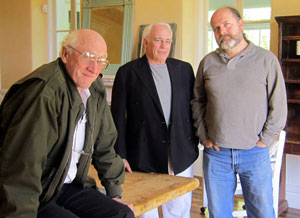
From left: Stewart Brand, John Brockman, W. Daniel Hillis
A Short Course on Synthetic Genomics
With George Church, J. Craig Venter
SpaceX & The Andaz Hotel, Los Angeles, CA, July 24-26, 2009
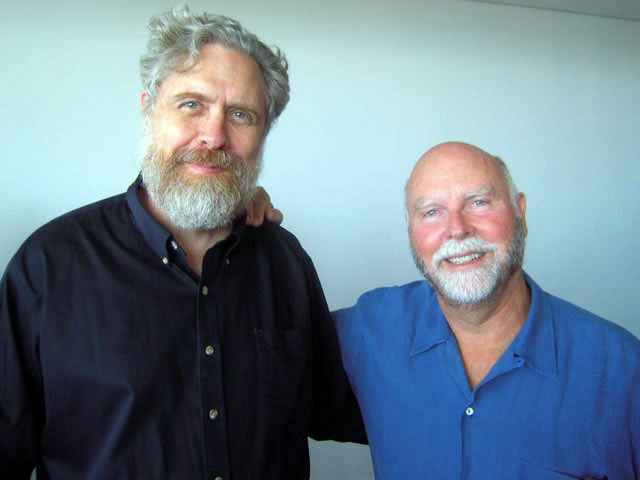
From left: George Church, J. Craig Venter
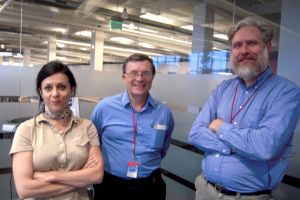
On July 24, 2009, a small group of scientists, entrepreneurs, cultural impresarios, and journalists, which included architects of some of the leading transformative companies of our time (Microsoft, Google, Facebook, PayPal), arrived at the Andaz Hotel on Sunset Boulevard in West Hollywood, to be offered a glimpse, guided by George Church and Craig Venter, of a future far stranger than Mr. Huxley had been able to imagine in 1948.
In this future—whose underpinnings, as Drs. Church and Venter demonstrated, are here already—life as we know it is transformed not by the error catastrophe of radiation damage to our genetic processes, but by the far greater upheaval caused by discovering how to read genetic sequences directly into computers, where the code can be replicated exactly, manipulated freely, and translated back into living organisms by writing the other way. "We can program these cells as if they were an extension of the computer," George Church announced, and proceeded to explain just how much progress has already been made. — George Dyson, from The Introduction

GEORGE CHURCH is professor of Genetics, Harvard University; director, Personal Genome Project.
J. CRAIG VENTER is a leading scientist of the 21st century for Genomic Sciences; co-founder, chairman, Synthetic Genomics, Inc.; founder, J. Craig Venter Institute; author, A Life Decoded.
PARTICIPANTS: Stewart Brand, biologist, Long Now Foundation; Whole Earth Discipline; Larry Brilliant, M.D., epidemiologist, Skoll Urgent Threats Fund; John Brockman, publisher & editor, Edge; Max Brockman, literary agent, Brockman, Inc.; editor, What's Next: Dispatches on the Future of Science; Jason Calacanis, internet entrepreneur, Mahalo; George Dyson, science historian; author, Darwin Among the Machines; Jesse Dylan, film-maker, Form.tv, FreeForm.tv; Arie Emanuel, William Morris Endeavor Entertainment; Sam Harris, neuroscientist, UCLA; author, The End of Faith; W. Daniel Hillis, computer scientist, Applied Minds; author, Pattern On The Stone; Thomas Kalil, deputy director for policy for the White House Office of Science and Technology Policy and senior advisor for Science, Technology and Innovation for the National Economic Council; Salar Kamangar, vice president, product management, Google; Lawrence Krauss, physicist, Origins Initiative, ASU; author, Hiding In The Mirror; John Markoff, journalist,The New York Times; author, What The Dormouse Said; Katinka Matson, co-founder, Edge; artist, katinkamatson.com; Elon Musk, physicist, SpaceX, Tesla Motors; Nathan Myhrvold, physicist, CEO, Intellectual Ventures, LLC, author, The Road Ahead; Tim O'Reilly, founder, O'Reilly Media, O'Reilly Radar; Larry Page, co-founder, Google; Lucy Page Southworth, biomedical informatics researcher, Stanford; Sean Parker, The Founders Fund; co-founder Napster & Facebook; Ryan Phelan, founder, DNA Direct; Nick Pritzker, Hyatt Development Corporation; Ed Regis, writer; author, What Is Life; Terrence Sejnowski, computational neurobiologist, Salk; author, The Computational Brain; Maria Spiropulu, physicist, Cern & Caltech; Victoria Stodden, computational legal scholar, Yale Law School; Richard Thaler, behavioral economist, U. Chicago; author, Nudge; Craig Venter, genomics researcher; CEO, Synthetic Genomics; author, A Life Decoded; Nathan Wolfe, biologist, Global Virus Forecasting Initiative; Alexandra Zukerman, assistant editor, Edge
 |
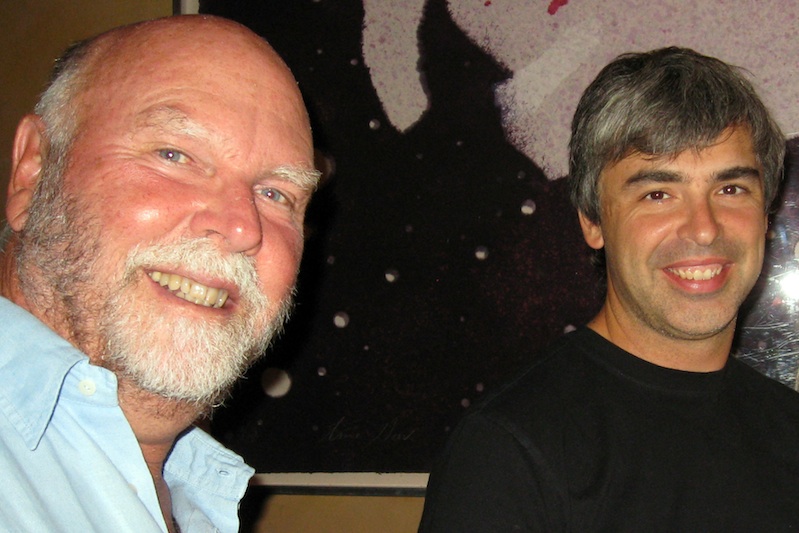 |
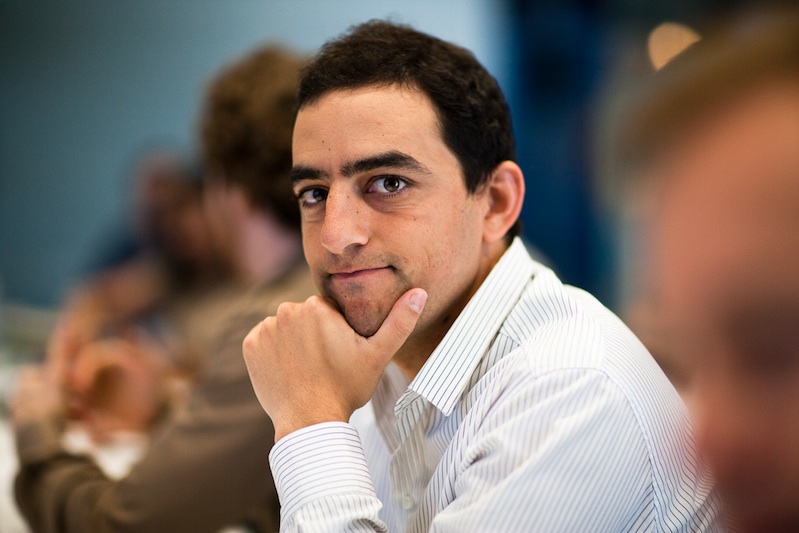
| Salar Kamangar | Craig Venter, Larry Page |
 |
 |
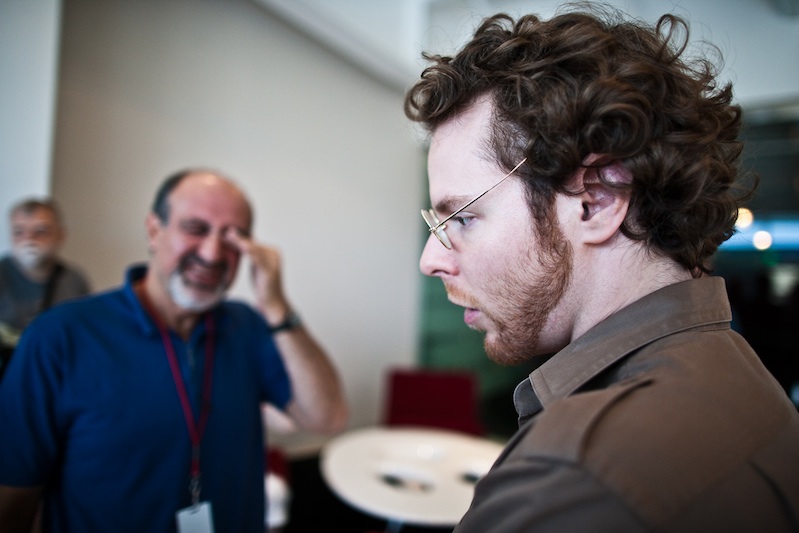
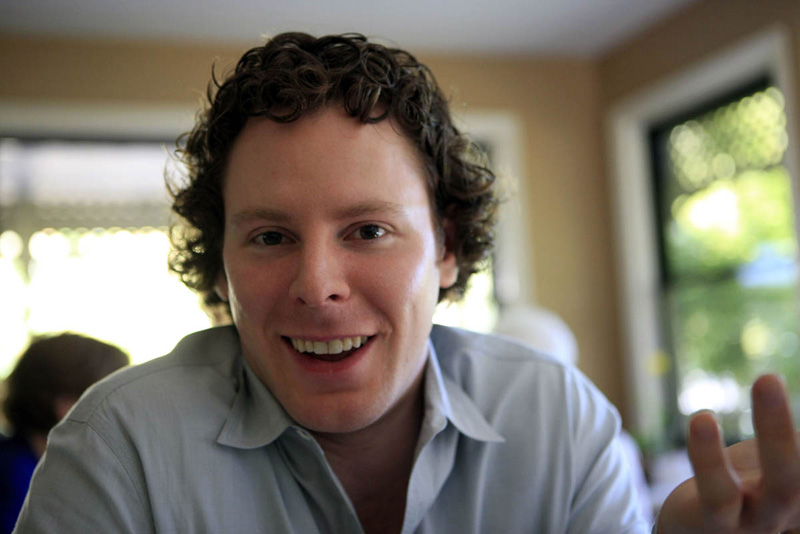
| Sean Parker, Facebook | Maria Spiropulu, Terrence Sejnowski, George Church |
A Short Course in Behavioral Economics
With Richard Thaler, Sendhil Mullainathan, Daniel Kahneman
The Gaige House, Sonoma, CA July 25-27, 2008
 |
 |
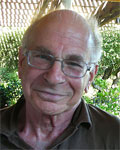 |
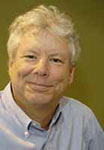
| Richard Thaler | Sendhil Mullainathan | Daniel Kahneman |
A year ago, Edge convened its first "Master Class" in Napa, California, in which psychologist and Nobel Laureate Daniel Kahneman taught a 9-hour course: "A Short Course On Thinking About Thinking." The attendees were a "who's who" of the new global business culture.
The following year, in 2008, we invited Richard Thaler, the father of behavioral economics, to continue the conversation by organizing and leading the class: "A Short Course On Behavioral Economics."
Thaler arrived at Stanford in the 1970s to work with Kahneman and his late partner, Amos Tversky. Thaler, in turn, asked Harvard economist and former student Sendhil Mullainathan, as well as Kahneman, to teach the class with him.
RICHARD H. THALER is the father of behavioral economics; director, Center for Decision Research, University of Chicago Graduate School of Business; co-author, Nudge
SENDHIL MULLAINATHAN is a professor of economics, Harvard; assistant director for research, The Consumer Financial Protection Bureau (CFPB), U.S. Treasury Department (2011-2013); co-author, Scarcity: Why Having Too Little Means So Much
DANIEL KAHNEMAN is a recipient of the Nobel Prize in Economics, 2002; Eugene Higgins Professor of Psychology, Princeton University; author, Thinking, Fast and Slow
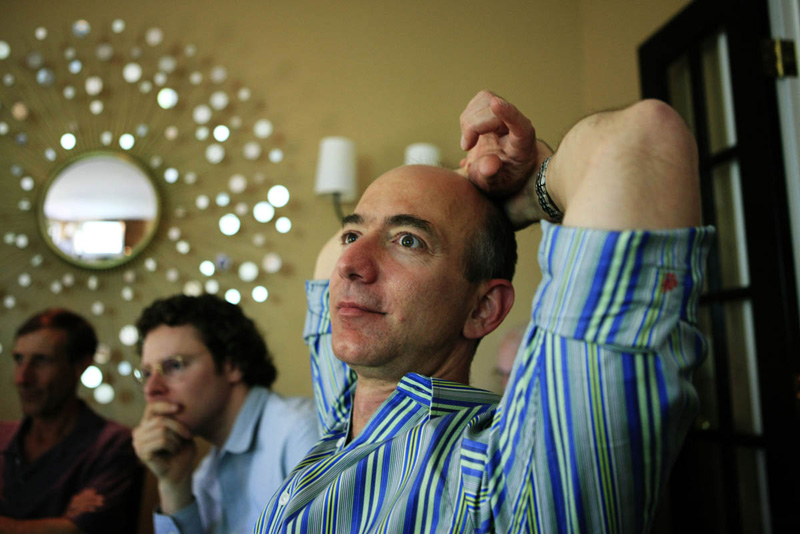
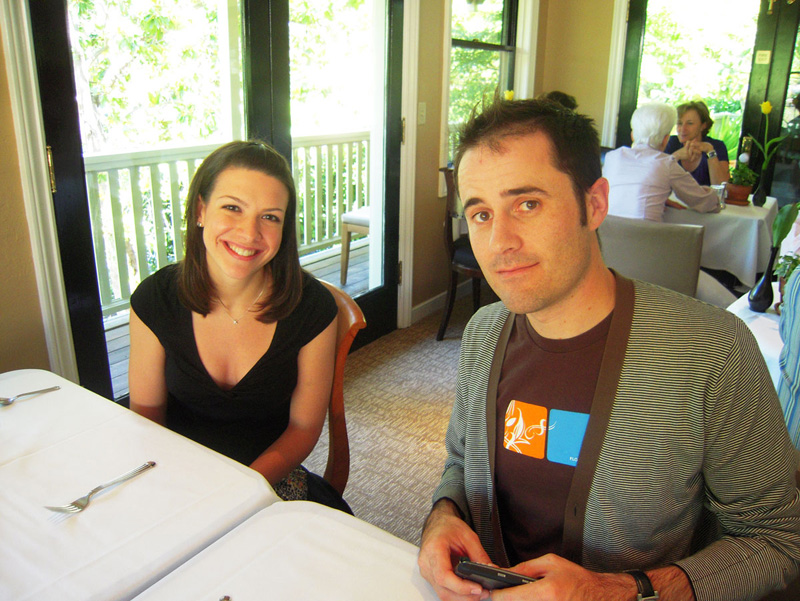
PARTICIPANTS: Jeff Bezos, founder, Amazon.com; John Brockman, Edge Foundation, Inc.; Max Brockman, Brockman, Inc.; George Dyson, science historian; author, Darwin Among the Machines; W. Daniel Hillis, computer scientist; co-founder, Applied Minds; author, The Pattern on the Stone; Daniel Kahneman, psychologist; Nobel laureate, Princeton University; Salar Kamangar, Google; France LeClerc, marketing professor; Katinka Matson, Edge Foundation, Inc.; Sendhil Mullainathan, professor of economics, Harvard University; executive director, Ideas 42, Institute of Quantitative Social Science; Elon Musk, physicist; founder, Tesla Motors, SpaceX; Nathan Myhrvold, physicist; founder, Intellectual Venture, LLC; event photographer; Sean Parker, The Founders Fund; co-founder: Napster, Plaxo, Facebook; Paul Romer, economist, Stanford; Richard Thaler, behavioral economist, director of the Center for Decision Research, University of Chicago Graduate School of Business; co-author of Nudge; Anne Treisman, psychologist, Princeton University; Evan Williams, founder, Blogger, Twitter.
Life: What a Concept!
With Freeman Dyson, J. Craig Venter, George Church, Robert Shapiro, Dimitar Sasselov, Seth Lloyd
Eastover Farm, Bethlehem, CT, August 27, 2007

From left: Dimitar Sasselov, Max Brockman, Seth Lloyd, George Church, J. Craig Venter, Freeman Dyson
This year's annual Edge event took place at Eastover Farm in Bethlehem, CT, on Monday, August 27th. Invited to address the topic "Life: What a Concept!" were Freeman Dyson, J. Craig Venter, George Church, Robert Shapiro, Dimitar Sasselov, and Seth Lloyd, who focused on their new, and in more than a few cases, startling research, and/or ideas in the biological sciences.
Physicist Freeman Dyson envisions a biotech future which supplants physics and notes that after three billion years, the Darwinian interlude is over. He refers to an interlude between two periods of horizontal gene transfer, a subject explored in his abovementioned essay.
Craig Venter, who decoded the human genome, surprised the world in late June by announcing the results of his lab's work on genome transplantation methods that allows for the transformation of one type of bacteria into another, dictated by the transplanted chromosome. In other words, one species becomes another.
George Church, the pioneer of the synthetic biology revolution, thinks of the cell as operating system, and engineers taking the place of traditional biologists in retooling stripped down components of cells (bio-bricks) in much the vein as in the late 70s when electrical engineers were working their way to the first personal computer by assembling circuit boards, hard drives, monitors, etc.
Biologist Robert Shapiro disagrees with scientists who believe that an extreme stroke of luck was needed to get life started in a non-living environment. He favors the idea that life arose through the normal operation of the laws of physics and chemistry. If he is right, then life may be widespread in the cosmos.
Dimitar Sasselov, planetary astrophysicist, and director of the Harvard Origins of Life Initiative, has made recent discoveries of exo-planets ("Super-Earths"). He looks at new evidence to explore the question of how chemical systems become living systems.
Quantum engineer Seth Lloyd sees the universe as an information processing system in which simple systems such as atoms and molecules must necessarily give rise complex structures such as life, and life itself must give rise to even greater complexity, such as human beings, societies, and whatever comes next.
ATTENDEES: Corey Powell, Discover; Jordan Mejias, Frankfurter Allgemeine Zeitung; Heidi Ledford, Nature; Greg Huang, New Scientist; Deborah Treisman, New Yorker; Edward Rothstein, The New York Times; Andrian Kreye, Süddeutsche Zeitung; Antonio Regalado, Wall Street Journal. Guests included Heather Kowalski, The J. Craig Venter Institute; Ting Wu, The Wu Lab, Harvard Medical School; and the artist Stephanie Rudloe. Attending for Edge: Katinka Matson, Russell Weinberger, Max Brockman, and Karla Taylor.
A Short Course in Thinking About Thinking
With Daniel Kahneman
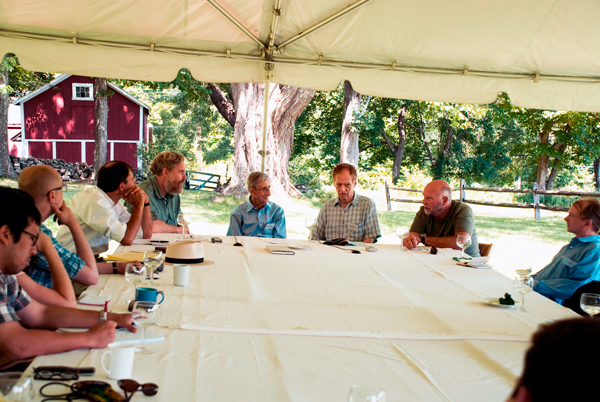
Auberge du Soleil, Rutherford, CA, July 20-22, 2007
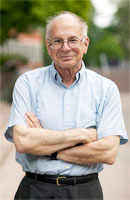
Recently, I spent several months working closely with Danny Kahneman, the psychologist who is the co-creator of behavioral economics (with his late collaborator Amos Tversky), for which he won the Nobel Prize in Economics in 2002.
My discussions with him inspired a 2-day "Master Class" given by Kahneman for a group of twenty leading American business/Internet/culture innovators—a microcosm of the recently dominant sector of American business—in Napa, California in July. They came to hear him lecture on his ideas and research in diverse fields such as human judgment, decision making and behavioral economics and well-being. . . . The event was an unqualified success. As one of the attendees later wrote: "Even with the perspective a few weeks, I can still think it is one of the all time best conferences that I have ever attended." —JB
DANIEL KAHNEMAN is a recipient of the Nobel Prize in Economics, 2002; Eugene Higgins Professor of Psychology, Princeton University; author, Thinking, Fast and Slow

ATTENDEES: Jeff Bezos, founder, Amazon.com; Stewart Brand, co-founder, Long Now Foundation, author, How Buildings Learn; Sergey Brin, founder, Google; John Brockman, Edge Foundation, Inc.; Max Brockman, Brockman, Inc.; Peter Diamandis, space entrepreneur, founder, X Prize Foundation; George Dyson, science historian, author, Darwin Among the Machines; W. Daniel Hillis, computer scientist, co-founder, Applied Minds, author, The Pattern on the Stone; Daniel Kahneman, psychologist; Nobel laureate, Princeton University; Dean Kamen, inventor, Deka Research; Salar Kamangar, Google; Seth Lloyd, quantum physicist, MIT, author, Programming The Universe; Katinka Matson, co-founder, Edge Foundation, Inc.; Nathan Myhrvold, physicist, founder, Intellectual Venture, LLC, event photographer; Tim O'Reilly, founder, O'Reilly Media; Larry Page, co-founder, Google; George Smoot, physicist, Nobel laureate, Berkeley, co-author, Wrinkles In Time; Anne Treisman, psychologist, Princeton University; Jimmy Wales, founder, chair, Wikimedia Foundation (Wikipedia)
 |
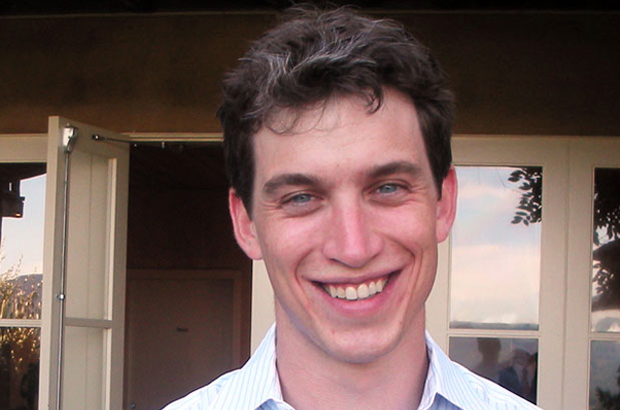 |
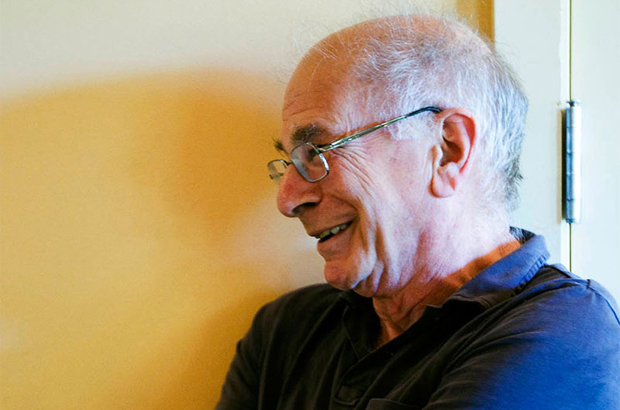
| Daniel Kahneman | Max Brockman |
 |
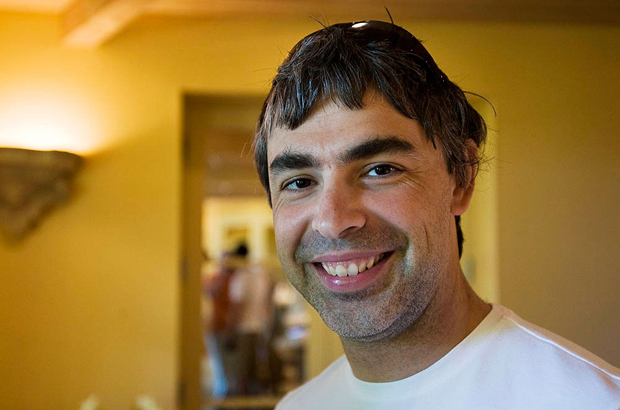 |
| George Dyson | Larry Page |
 |
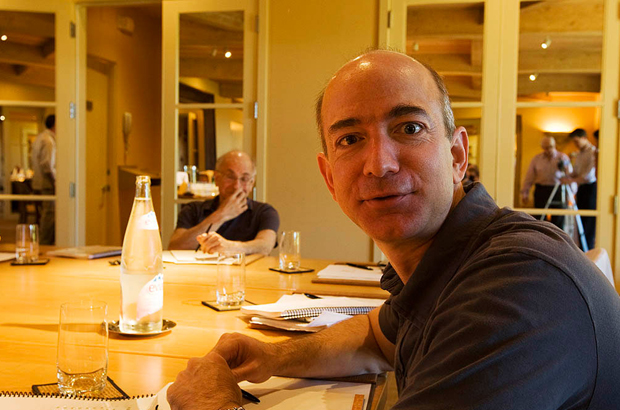 |
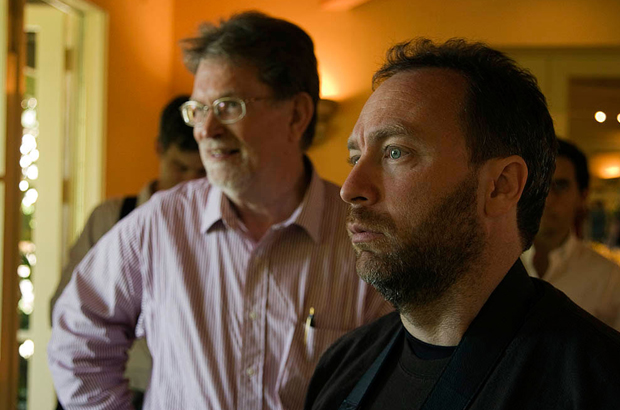
| George Smoot, Jimmy Wales | Jeff Bezos |
Experiment Marathon
With Mark Pagel, Jennifer Jacquet, Brian Eno
London, October 14, 2007
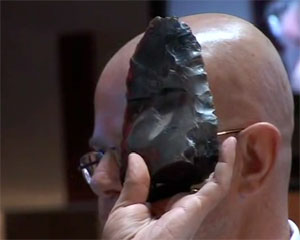
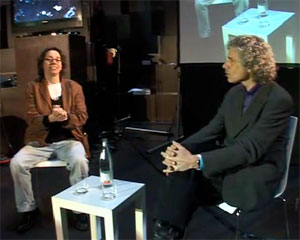
On October 14, 2007, Edge participated in a morning of "table-top experiments" as part of the Serpentine Gallery Experiment Marathon in London. This live event was featured along with the Edge/Serpentine collaboration: "What Is Your Formula? Your Equation? Your Algorithm? Formulae For the 21st Century."
The Science of Gender and Science: Pinker vs. Spelke Debate
With Steven Pinker, Elizabeth Spelke
April 22, 2005


On April 22, 2005, Harvard University's Mind/Brain/Behavior Initiative (MBB) held a defining debate on the public discussion that began on January 16th with the public comments by Lawrence Summers, president of Harvard, on sex differences between men and women and how they may relate to the careers of women in science. The debate at MBB, "The Gender of Gender and Science" was "on the research on mind, brain, and behavior that may be relevant to gender disparities in the sciences, including the studies of bias, discrimination and innate and acquired difference between the sexes."
It's interesting to note that since the controversy surrounding Summers' remarks began, there has been an astonishing absence of discussion of the relevant science...you won't find it in the hundreds and hundreds of articles in major newspapers; nor will find it in the Harvard faculty meetings where the president of the leading University in America was indicted for presenting controversial ideas.
Scientists debate continually, and reality is the check. They may have egos as large as those possessed by the iconic figures of the academic humanities, but they handle their hubris in a very different way. They can be moved by arguments, because they work in an empirical world of facts, a world based on reality. There are no fixed, unalterable positions. They are both the creators and the critics of their shared enterprise. Ideas come from them and they also criticize one another's ideas.
Through the process of creativity and criticism and debates, they decide which ideas get weeded out and which become part of the consensus that leads to the next level of discovery.
But unlike just about anything else said about Summers' remarks, the debate, "The Science of Gender and Science," between Harvard psychology professors Steven Pinker and Elizabeth Spelke, focused on the relevant scientific literature. It was both interesting on facts but differing in interpretation.
Both presented scientific evidence with the realization and understanding that there was nothing obvious about how the data was to be interpreted. Their sharp scientific debate informed rather than detracted. And it showed how a leading University can still fulfill its role of providing a forum for free and open discussion on controversial subjects in a fair-minded way. It also had the added benefit that the participants knew what they were talking about.
Who won the debate? Make up your own mind. Watch the video, listen to the audio, read the text and check out the slide presentations.
There's a lesson here: let's get it right and when we do we will adjust our attitudes. That's what science can do, and that's what Edge offers by presenting Pinker vs. Spelke to a wide public audience. —JB
Rebooting Civilization II
With Seth Lloyd, Paul Steinhardt, Alan Guth, Marvin Minsky, Ray Kurzweil
Eastover Farm, Bethlehem, CT, July 21, 2002
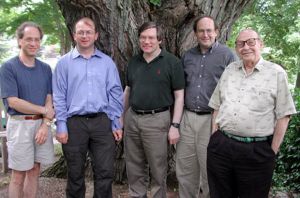
From left: Ray Kurzweil, Seth Lloyd, Alan Guth, Paul Steinhardt, Marvin Minsky
The metaphors of information processing and computation are at the center of today's intellectual action. A new and unified language of science is beginning to emerge.
What's happening in these new scientific endeavors is truly a work in progress. A year ago, at the first REBOOTING CIVILIZATION meeting in July 2001, physicists Alan Guth and Brian Greene, computer scientists David Gelernter, Jaron Lanier, and Jordan Pollack, and research psychologist Marc D. Hauser could not reach a consensus about exactly what computation is, when it is useful, when it is inappropriate, and what it reveals.
Rebooting Civilization
With Marc D. Hauser, Lee Smolin, Brian Greene, Jaron Lanier, Jordan Pollack, David Gelernter, Alan Guth
Eastover Farm, Bethlehem, CT, September 10, 2001
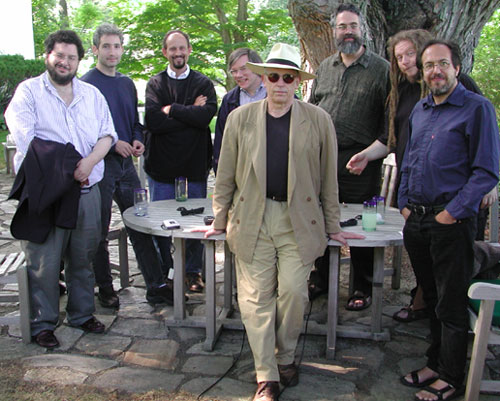
From left: David Gelernter, Brian Greene, Marc D. Hauser, Alan Guth, John Brockman, Jordan Pollack, Jaron Lanier, Lee Smolin
Everything is up for grabs. Everything will change. There is a magnificent sweep of intellectual landscape right in front of us.
One aspect of our culture that is no longer open to question is that the most signigicant developments in the sciences today (i.e. those that affect the lives of everybody on the planet) are about, informed by, or implemented through advances in software and computation. This Edge event presented an opportunity for people in the various fields of computer science, cosmology, cognition, evolutionary biology, etc., to begin talking to each other, to become aware of interesting and important work in other fields.
Software and computation are reinventing the civilized world—"rebooting civilization," in the words of David Gelernter. "It's a software-first world," notes Stanford AI expert Edward Feigenbaum, chief scientist of the U.S. Air Force in the mid-nineties. "It's not a mistake that the world's two richest men are pure software plays. Or that the most advanced fighter planes in the U.S. Air Force are bundles of software wrapped in aluminum shells, or that the most advanced bomber is run by computers and cannot be flown manually." Everybody in business today is in the software business. But what comes after software? —JB
Consciousness
With Marvin Minsky, Alan Guth, Daniel C. Dennett, Rodney Brooks, Nicholas Humphrey, Lee Smolin
Eastover Farm, Bethlehem, CT, July 11, 1998
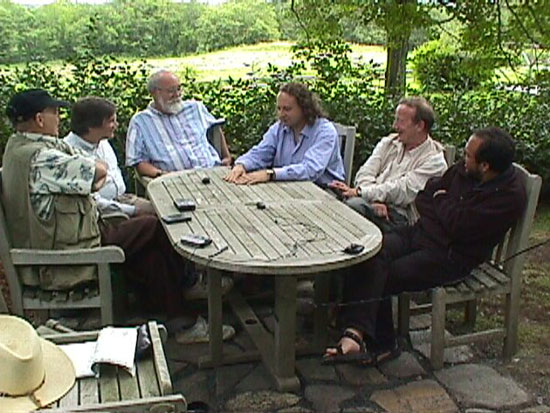
From left: Marvin Minsky, Alan Guth, Daniel C. Dennett, Rodney Brooks, Nicholas Humphrey, Lee Smolin

 |
 |
 |
 |
 |
 |
 |
 |